Closer to the source.
When guests can see their herbs growing three metres from the kitchen, food stops being an abstraction. That shift matters.
The Food Garden · Norte Portugal
Future phase
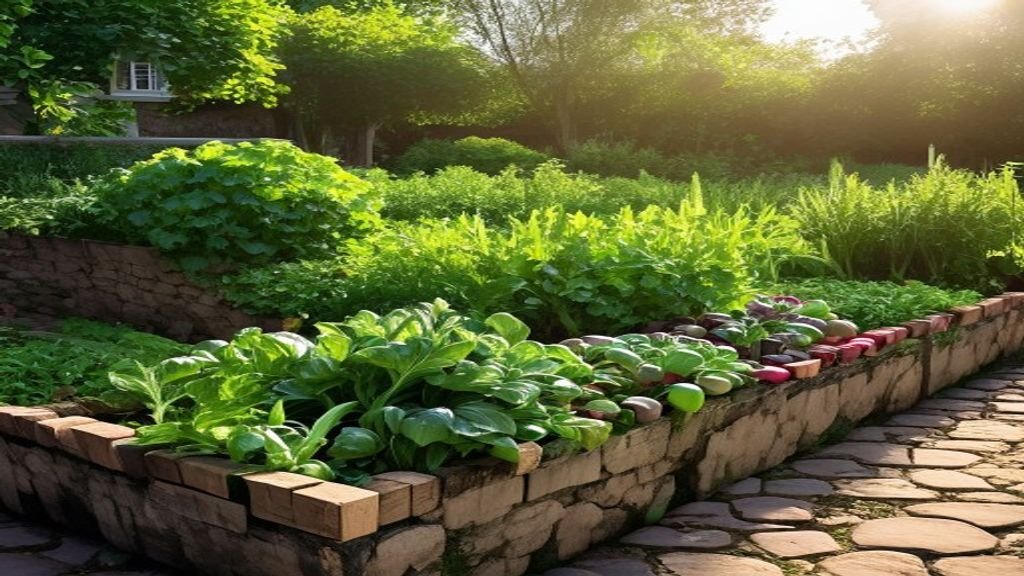
A working food garden at Lusitano Retreat — raised beds, hydroponic herbs, a small orchard, and a closed loop where nothing goes to waste. Started on Day 1 of the build sprint. Growing ever since.
Why food-growing matters
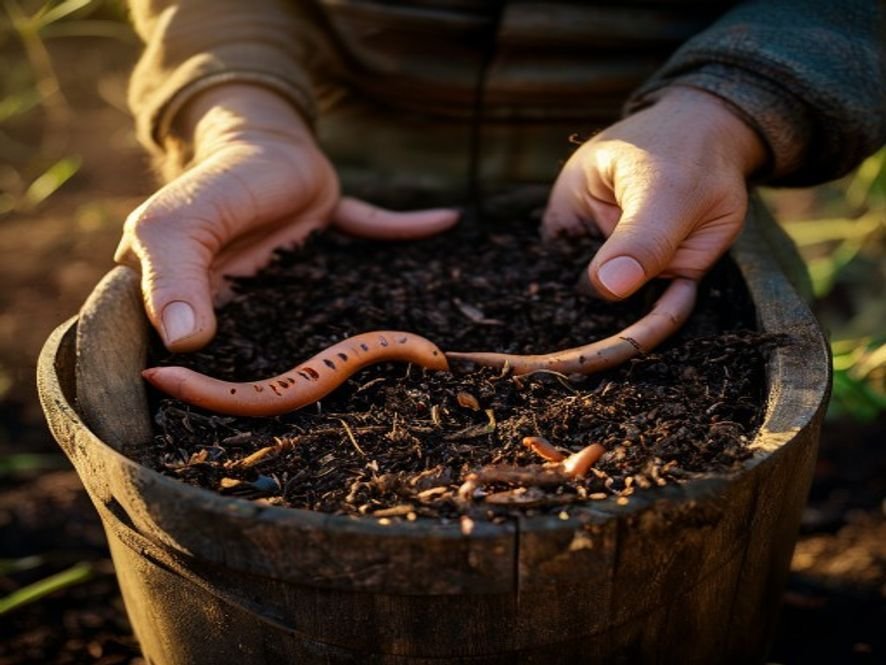
The food garden is not a feature bolted on for effect. It grows alongside every other system at Lusitano — feeding the compost, which feeds the soil, which feeds the raised beds, which feed the kitchen. Guests pick herbs on the way to breakfast. Volunteers plant seedlings in the morning and eat them six weeks later.
"Food you grew yourself tastes like something you cannot buy."
Four reasons this works
Every part of the food system is designed to be seen, understood, and touched by guests.
When guests can see their herbs growing three metres from the kitchen, food stops being an abstraction. That shift matters.
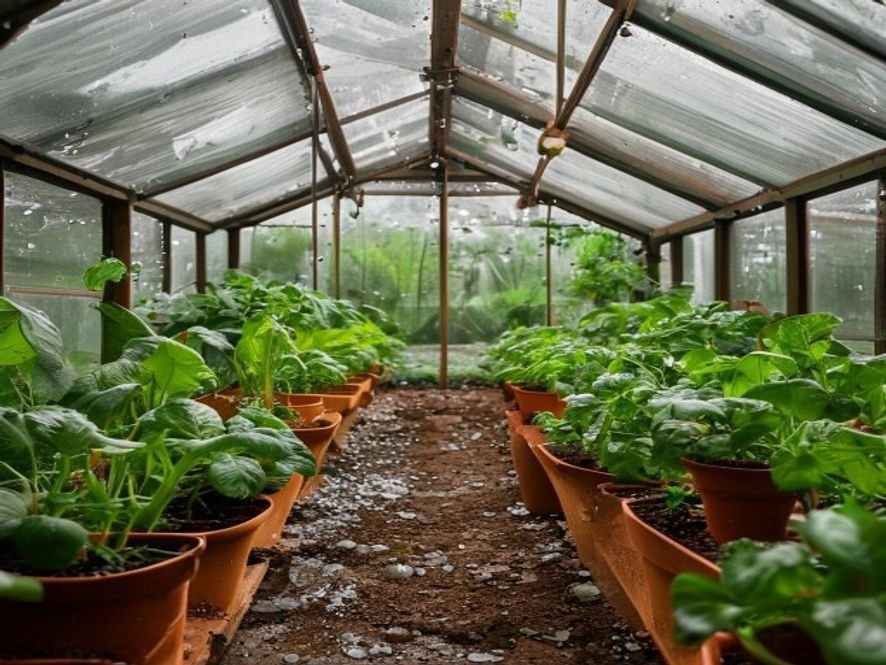
Hydroponic herbs use around 90% less water than soil. In a Norte summer, that is not philosophy — it is practicality.
No pesticides, no unknown inputs. You built the beds, you filled them, you know exactly what went in.
The closed loop — rain, soil, compost, kitchen, back to soil — is a better explanation of ecology than any diagram.
How it grows
We start on Day 1 with what costs under €100 and fits in a car. We build from there.
Hours to set up
Four grow bags, herb seedlings from the local cooperative, a Kratky jar of lettuce, and a compost bucket. Planted in a morning, photographed by afternoon.
First harvest by week four
Three raised beds, a small hydroponic herb station, compost system running, first salad cuts for guests.
September build sprint
Full raised bed rotation, aquaponic loop, rainwater-fed irrigation, fruit trees planted, orchard underway.
What we grow
Chosen for Norte Portugal's climate, the retreat's kitchen needs, and how good they look when guests walk past.
Loves summer heat. Pinch the tops. Smells extraordinary.
Perennial, vigorous, contains itself in a pot. Mint tea for guests.
Ready in 3 weeks. Succession-sow every fortnight.
The most Portuguese plant we can grow. Hardy, productive, deeply local.
Calming tea, perennial, almost no maintenance.
Colourful stems, cut-and-come-again, tolerates heat better than spinach.
Edible flowers and leaves. Bright orange. Guests always ask about it.
Thrives in the aquaponic system. Classic Portuguese flavour.
The loop
The food garden runs as a closed loop. Rain feeds the tanks. Tanks feed the beds. Beds feed the kitchen. Kitchen feeds the compost. Compost feeds the soil. The soil feeds the beds again.
See the garden
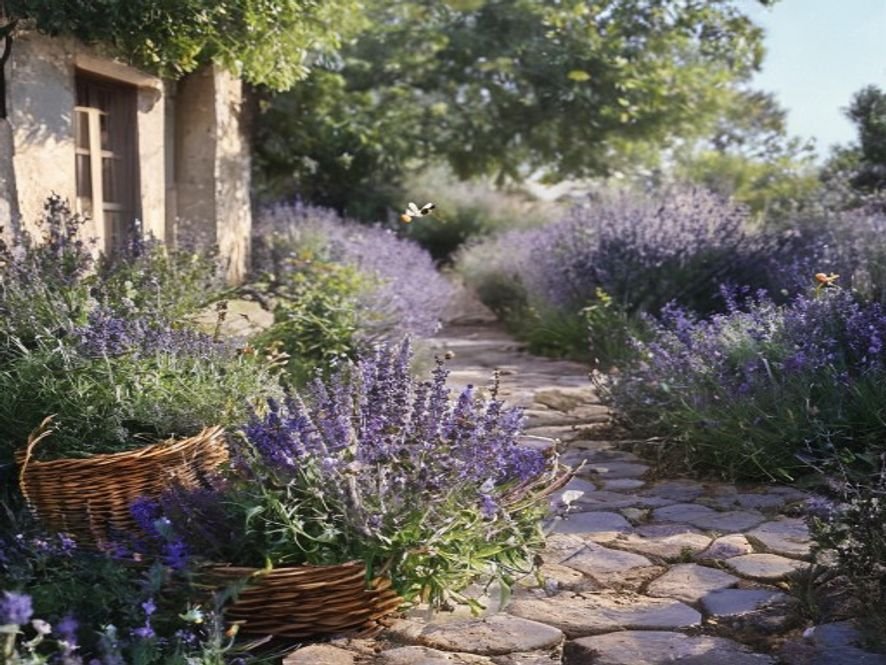
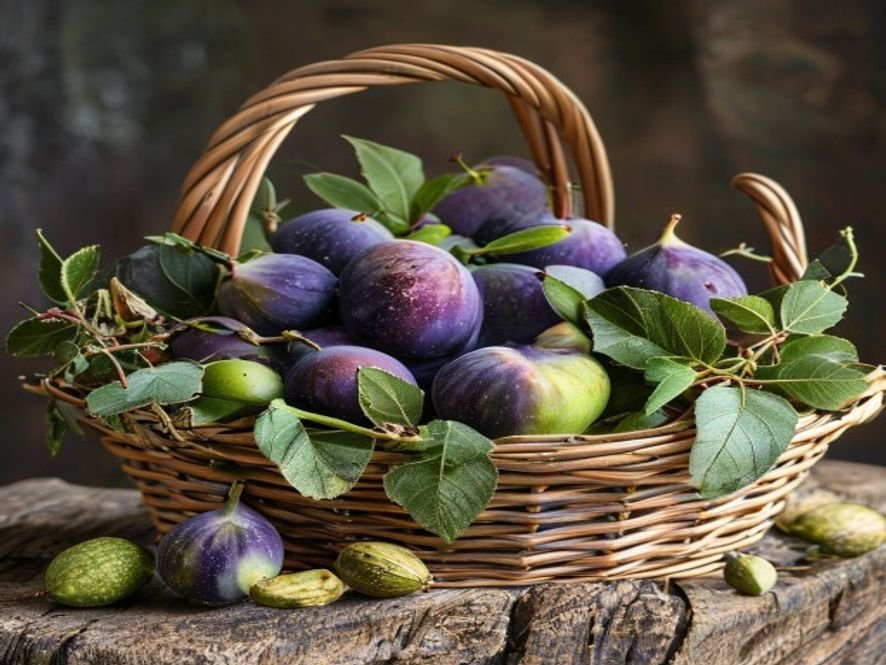
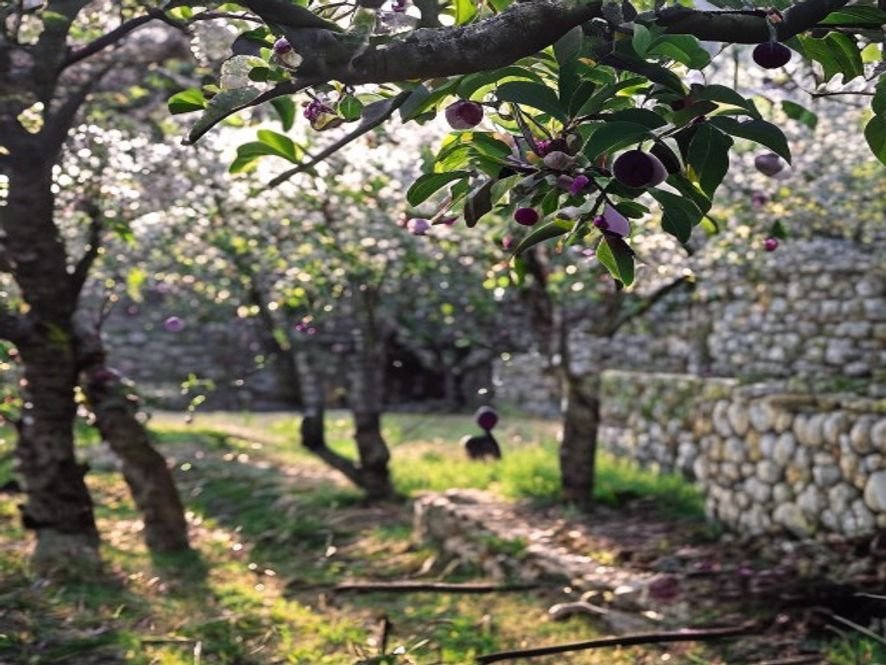
A few frames of the garden taking shape — raised beds, herbs under cover, the orchard, and the compost that ties the whole loop together.
Full field guide
The complete due-diligence report: Norte Portugal growing conditions, a full plant catalogue, the Day-1 MVP plan, hydroponics and aquaponics guidance, the closed-loop design, a three-level cost model, and the honest compliance notes. Free to download.
Download the guideLusitano Retreat
The food garden is one of the first things we build in September. Join the 21-day sprint and plant your row — or follow the build from wherever you are.