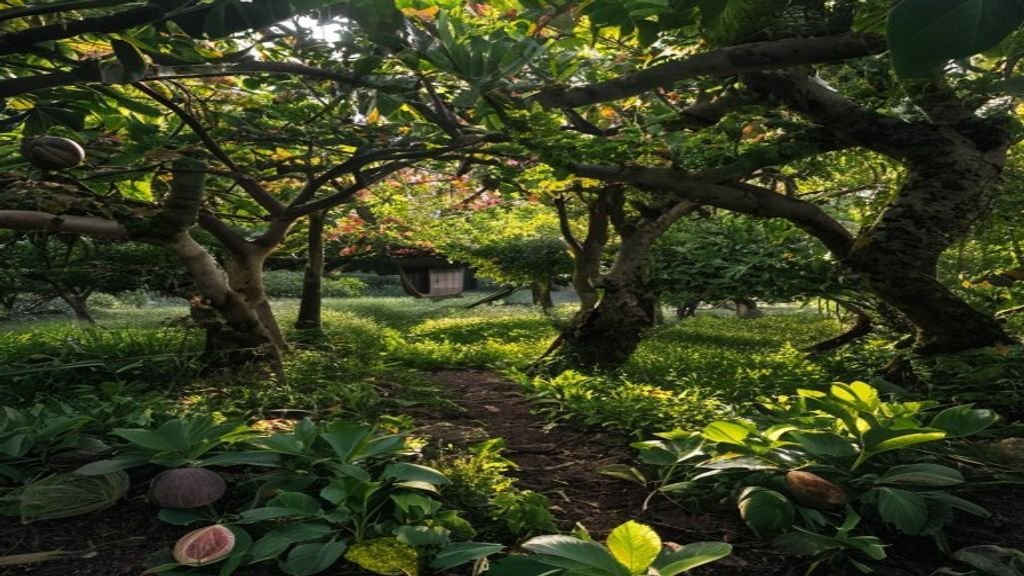
In our first autumn on the land, before we'd put up a single structure, before we'd broken ground on the pond, before we'd planted a single vegetable — we planted 500 trees. Here's why that was the right decision, and how we did it.
## The Ecological Argument
North Portugal's native forest — the Atlantic oak woodland (carvalhal) that historically covered the region's hillsides — has been dramatically reduced over the past century. Eucalyptus and maritime pine now dominate vast areas that were once biodiverse, high-carbon, high-water-retention woodland. The consequences are visible: catastrophic summer wildfires, severe soil erosion, degraded water quality, collapsed insect populations.
Planting native trees does not reverse decades of degradation overnight. But it begins the restoration process. In 20 years, a native woodland planting becomes a functioning habitat. In 50 years, it becomes something approaching a genuine forest.
## The Species We Planted
We targeted five native species suited to our site (granite-based soil, Atlantic Minho climate, 450m altitude, north- and west-facing slopes in the restoration areas):
**Pedunculate oak (Quercus robur) — 180 trees.** The keystone species of Atlantic woodland. Supports more insect species than any other native tree. Slow-growing but exceptionally long-lived. Our planting is an investment in the 22nd century.
**Rowan (Sorbus aucuparia) — 80 trees.** Pioneer species. Fast-growing, berry-producing, excellent bird habitat. Planted along the upper edge of the restoration zones to establish shade and shelter for the oaks.
**Hazel (Corylus avellana) — 100 trees.** Multi-stemmed shrub/small tree. Creates excellent understorey habitat. The hazelnuts are a valuable autumn food source for dormice, squirrels, and corvids. We'll also use hazel coppice for pea sticks and bean poles.
**Alder (Alnus glutinosa) — 90 trees.** Planted exclusively along the stream bank. Alder is a nitrogen-fixer that actively improves soil fertility. Its roots stabilise stream banks against erosion. Essential for the riparian corridor.
**Wild cherry (Prunus avium) — 50 trees.** Fast-growing pioneer, beautiful spring blossom, fruit for birds, timber for the long term.
## The Carbon Story
This is one for investors and environmentally motivated guests. 500 young trees, if they reach maturity over 30–40 years, will sequester approximately 150–200 tonnes of CO₂. That's a small number in absolute climate terms. But it's measurable, real, and permanent — unlike most carbon offsets.
We're exploring voluntary carbon credit certification (Gold Standard or Woodland Carbon Code equivalent for Portugal) for the restoration planting. This could generate modest revenue while validating the ecological claims.
## The Guest Experience Connection
Our native tree planting area is part of every site tour. Guests walk through the stream corridor, see the planting markers, and hear the story of what the landscape used to look like and what it's becoming.
This is not a tour of a completed thing. It's a tour of a living process. Some guests find that deeply moving — the idea that they're visiting land that is actively healing. That emotional connection to the project's long-term vision is one of the most powerful things we can offer, and it costs almost nothing.
## What It Cost
500 bare-root saplings from regional nurseries: **€1,850** (average €3.70 per tree). Three days of labour for two people with tree tubes and bamboo canes: **€600**. Deer/rabbit guards: **€340**. Total: approximately **€2,800** for 500 trees in the ground.
That is the best £2,500 equivalent we've spent on this project.
---
*We run annual planting days in October and November, open to guests and volunteers. Join us.*