If you search "eco retreat Portugal," most results point south. Alentejo's cork oaks and terracotta plains. The Algarve's cliffs and pinecones. Douro's terraced vineyards. Everyone goes south.
We went north.
And after two years of researching, visiting, and eventually planting roots in Norte, I'm convinced it was the right decision — not just emotionally, but strategically. Here's exactly why.
## The South Is Beautiful but Crowded
The Alentejo is extraordinary. We visited. We fell in love. Then we looked at the land prices (up 60% since 2019), the summer temperatures (regularly above 40°C), and the tourist density on the single road between cork trees and white villages, and we quietly stepped back.
The Algarve was never a serious contender for an eco retreat. It's a beach holiday destination. Wonderful for that. Not right for a nature-based, slow-living, immersive experience.
We were looking for somewhere that still felt wild. Unhurried. Real.
## North Portugal Is a Different Country
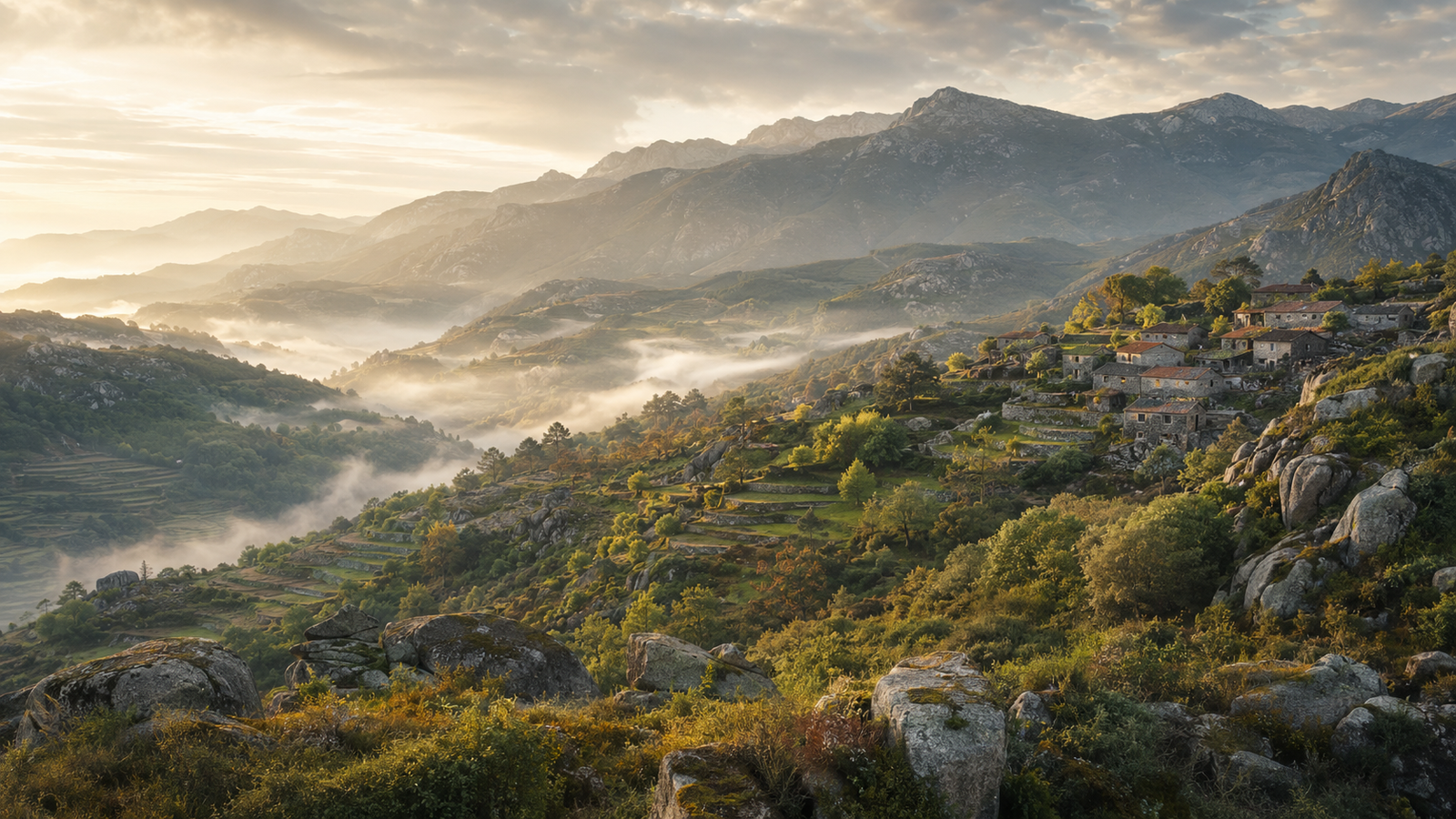
The Norte region — stretching from the coastal Minho valleys to the rugged plateaus of Trás-os-Montes — is one of the most biodiverse and least touristified landscapes in Western Europe. Ancient oak forests. Granite villages where time has moved very slowly. Rivers running cold and clean from mountain springs.
Annual rainfall of 1,200–1,600mm in the Atlantic Minho means the land is genuinely, deeply green. Not manicured-green. Wild-green. The kind of green that builds soil, feeds trees, and fills ponds without irrigation.
For an eco retreat built around biological ponds, food forests, and ecological restoration, this was not just poetic — it was practically ideal.
## Proximity to Porto Changes Everything Commercially
What often stops people from choosing the north is the assumption that it's too remote. But Porto is now one of Europe's most connected second cities. Daily direct flights from London, Manchester, Amsterdam, Berlin, and Dublin. A 1.5–2.5 hour drive from almost any point in Norte.
That means our target guest — a UK or German professional wanting a 5-night nature retreat — steps off a two-hour flight, gets on a road that's entirely free of motorway-scale traffic, and arrives at something that feels completely removed from modern life. That contrast is the product.
## The People and the Culture
Rural Norte has something the tourist trail hasn't found yet: genuine community. Village life structured around the agricultural year. Festas that mean something. Food that comes from the land behind the restaurant.
This matters for an eco retreat. We're not selling "pretend countryside." We're integrating into a real landscape with real people, real food traditions, and a genuine culture of land stewardship that predates permaculture by centuries. The Portuguese word for a small kitchen garden — *horta* — is as common here as the word for car.
## The Honest Trade-offs
We'd be misleading you if we didn't mention the difficulties. Portuguese bureaucracy is slow. Rural land titles can be complicated. Internet connectivity varies wildly. Winters in Trás-os-Montes are cold and long.
And the north doesn't market itself well. There's no infrastructure of "eco retreat" tourism that we're plugging into. We're building something from scratch in a landscape that most international guests have never heard of.
That, though, is exactly the opportunity. The best time to build a premium destination brand is before the crowd arrives.
---
*We're documenting every stage of this build — from land purchase to first guests. Follow along.*