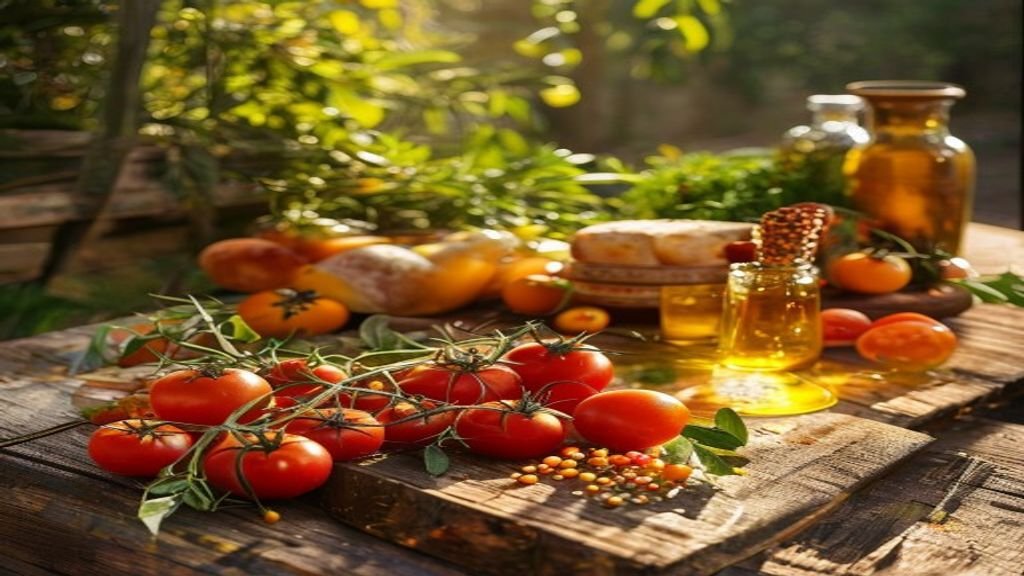
This is the kitchen diary. What comes from the land, what comes from local suppliers, and what we're still buying from the supermarket. Honest, not aspirational.
## Spring (March – May): The Garden Wakes Up
March is the month of gap-filling and waiting. The first things ready are the overwintered crops: kale (still producing), chard, and leeks. The herb beds have been going since February: chives, sorrel, and the first flush of parsley and chervil.
By mid-April, the salad beds explode. We grow a mix of cut-and-come-again varieties directly in the ground and in cold frames: rocket, mizuna, mustard frills, various lettuces, land cress. We cut for breakfast every morning. It takes approximately 12 minutes to gather enough salad for 12 people.
What we forage in spring: wild garlic (from the stream margin in March–April), dandelion leaves, chickweed, nettle tips for soup.
What we still buy: most root vegetables, bread (from the village padaria — traditional wood-fired bakery), eggs (from a neighbour's chickens), and any protein we serve beyond what the pond provides.
**Menu highlight, April:** Nettle and potato soup, wild garlic butter on sourdough, spring green salad with edible flowers, poached eggs from next door.
## Summer (June – August): Abundance and Management
Summer is the management challenge. Everything arrives at once and the risk is food waste rather than shortage. The tomatoes, courgettes, beans, and cucumbers overlap in late July and August. We process the surplus: roasted tomato sauce in large batches, fermented courgette pickle (easy and delicious), runner bean chutney, dried herbs from the garden.
What we grow in summer: tomatoes (8 varieties), courgettes, cucumbers, runner beans, French beans, sweet peppers, basil, parsley, dill, fennel, and a very enthusiastic self-seeded borage that we've stopped trying to control.
What we forage: St John's Wort (for oil and tea), lemon verbena (for iced tea — guests drink it by the litre), wild thyme, yarrow.
**Menu highlight, July:** Tomato salad with herbs and olive oil from a local quinta, cold cucumber soup, grilled courgette with labneh, fresh bread.
## Autumn (September – November): The Most Exciting Season
Autumn in North Portugal is a cook's paradise. The mushroom season starts in late September: chanterelles and porcini from the woodland edges. The chestnut harvest begins in October. The orchard is producing quince, late figs, medlar, and the first apples.
We run a dedicated fermentation workshop in October using the season's produce: quince paste (marmelo), fig jam, chestnut preserve, pickled mushrooms, apple cider vinegar. Guests make and take home a jar of something they've produced with their own hands.
What we forage: wild mushrooms (with a local guide), chestnuts, hawthorn berries, rosehips.
**Menu highlight, October:** Wild mushroom and chestnut risotto, roasted beet salad with walnuts from the tree, quince jelly on oat crêpes.
## Winter (December – February): Root and Brassica Season
Winter is when we lean on stored produce and the kitchen garden's brassica resilience. Brussels sprouts, cavolo nero, winter cabbages, celeriac, leeks, and parsnips. Stored chestnuts (we keep them cold-stored from October). Preserved summer produce: dried tomatoes, pickles, ferments.
We use local dried pulses extensively in winter: chickpeas, butter beans, and the wonderful small local chestnut beans (feijão castanho) that are sold at the village market. Portuguese winter food is bean and bread food — and that tradition suits a retreat kitchen very well.
**Menu highlight, January:** Slow-cooked white bean stew with winter greens from the garden and smoked paprika, served with local cornbread (broa).
---
*The menu changes every week based on what's available. That's the point.*